Mobile App Development for Businesses
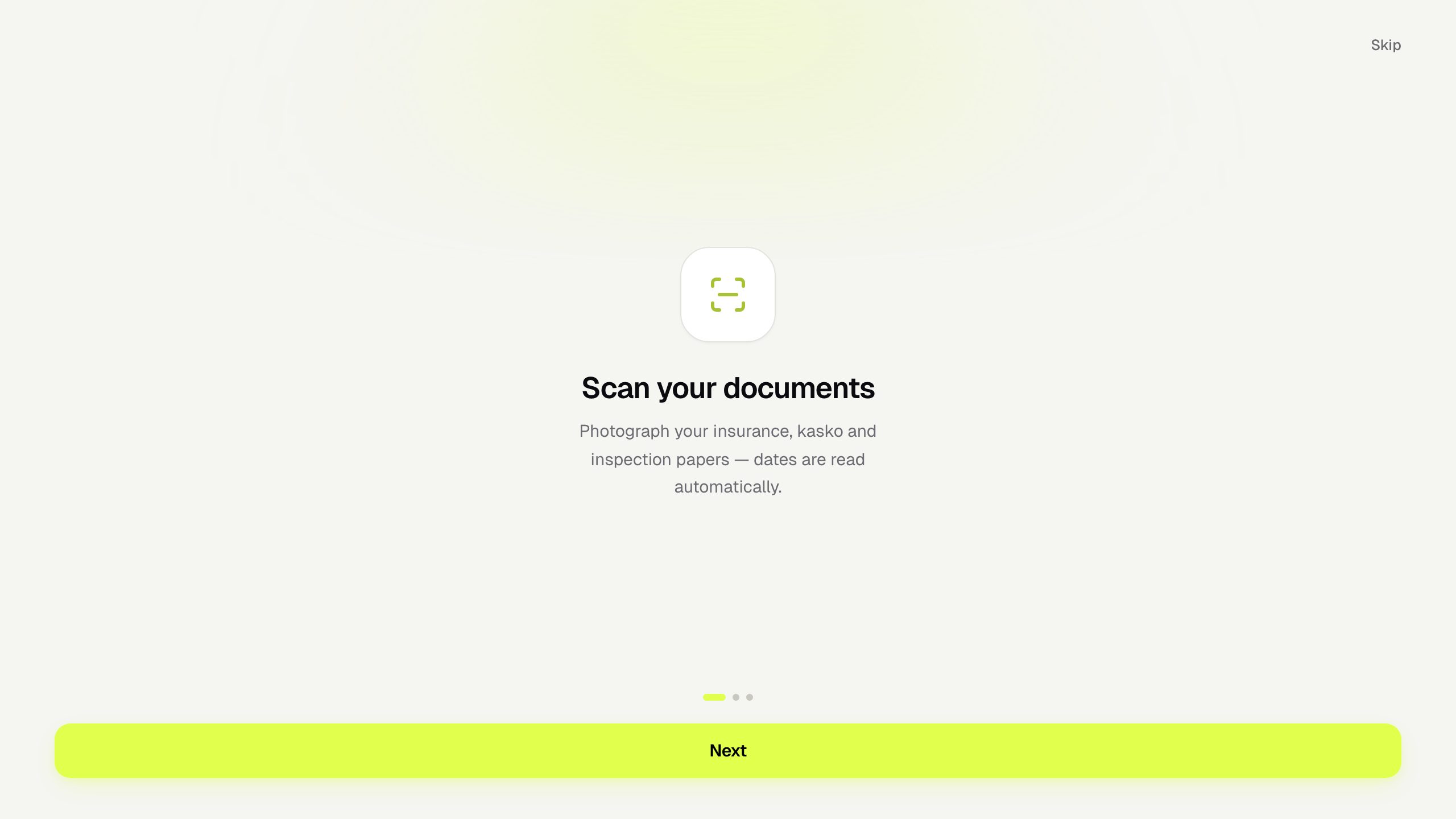
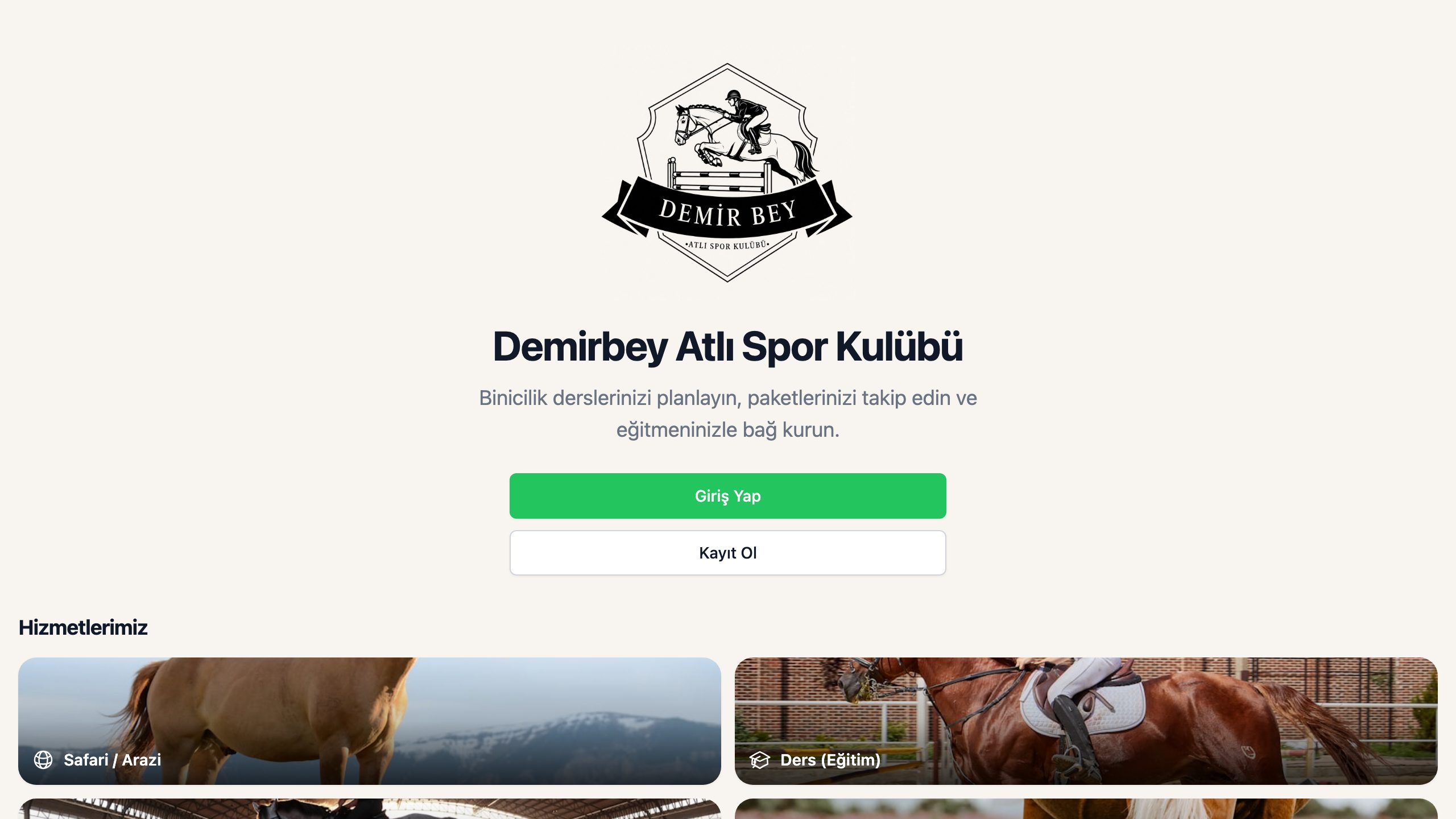
Mobile apps do not always need to start as expensive native builds. For many businesses, a well-built PWA or cross-platform app wrapper delivers a fast, app-like experience with easier maintenance and one codebase instead of three. I build exactly these: installable, offline-capable, camera-integrated apps like Garajım and Demirbey — running on phones today.
Who this is for
This approach fits businesses that need their customers or staff to have an app in hand — not necessarily a slot in an app store. A sports club whose members check schedules and payments from their phones. A workshop whose technicians photograph documents in the field. A restaurant whose menu lives on customers' phones through a QR code. If your users open the app daily and you want to iterate weekly, a web-technology app is usually the right call. If your product genuinely needs deep native APIs from day one, I will tell you that honestly instead of selling you a compromise.
What can be built
The range is wider than most people expect. Camera flows with OCR — Garajım reads expiry dates straight from photographed vehicle documents. Member management with schedules and payments, like Demirbey. Location-based realtime experiences, like Flare's live world map. Booking tools, field data collection, loyalty apps, order tracking. Anything that pairs a phone-sized interface with a solid backend is in scope.
- →Camera and document-scanning flows (OCR)
- →Member, booking and payment management apps
- →Location-based and realtime experiences
- →Field tools for technicians and sales teams
- →Customer-facing apps tied to your existing system
PWA-first, stores when it fits
My default architecture is a progressive web app: installable to the home screen, offline-friendly, push-notification-ready, and updated instantly without store review cycles. When a project genuinely benefits from store presence or native device APIs, the same codebase can be wrapped with Capacitor and shipped as an Android or iOS package. This order matters — building the PWA first means the store version is an addition, not a rewrite, and you are never maintaining two products.
Technology and architecture
The apps are built with Nuxt and Vue, backed by Node.js APIs and PostgreSQL — usually via Supabase for auth, storage, and realtime channels. Service workers handle installability and offline flows; the notification architecture is push-ready from the start. Everything deploys in Docker, on managed cloud or on servers I run myself. One stack from the phone screen to the database means fewer moving parts and faster fixes.
Why this beats outsourcing a native build
A typical native project means two codebases, two release pipelines, store review delays on every fix, and a budget that startles most small businesses before the first user ever signs in. The web-first path gets a real product into real hands in a fraction of the time, and every lira spent goes into features users touch — not platform duplication. If the product succeeds and outgrows the approach, the backend, data model, and product design all carry over; nothing is wasted.
Related Projects

Frequently Asked Questions
+Do I need a native app or is a PWA enough?
For most business apps — bookings, memberships, tracking, catalogs, field tools — a PWA is enough and often better: instant updates, one codebase, no store friction. Native becomes necessary mainly for heavy use of low-level device APIs, demanding games, or when store distribution is itself the marketing channel. I will assess your case honestly before we start.
+Can you publish to the App Store or build Android apps?
My approach is PWA-first: I build the app on web technology, and when the project fits, the same codebase can be wrapped with Capacitor and packaged for Android or iOS store distribution. I do not build from-scratch native Swift or Kotlin apps — if your project truly requires that, I will say so upfront.
+Can you add push notifications?
Yes. The architecture I build is push-notification-ready from the start — web push works on Android and modern iOS for installed PWAs, and Capacitor-wrapped builds can use native notification channels. Reminders in Garajım are a working example of notification-driven design.
+Can the app connect to Supabase, Firebase or an existing API?
Yes. Supabase is my default backend and I run self-hosted instances in production, but the app layer is backend-agnostic — it can consume Firebase, a REST or GraphQL API you already have, or any combination. If your business already runs on a system, the app extends it rather than replacing it.
+Can the same system have a website, mobile app and admin panel?
Yes — and this is where the web-first approach shines. One backend serves all three surfaces: a public website for discovery, an installable app for daily users, and an admin panel for your team. Data changes in one place and appears everywhere instantly.
+How do users install the app without an app store?
They open your link and tap "Add to Home Screen" — the app then lives on their phone with its own icon, full-screen launch, and offline support. No account creation at a store, no 100 MB download. For customer-facing apps this removes the biggest drop-off point in mobile adoption.