Nuxt & Vue Developer
I build with Nuxt and Vue daily — it is not one framework among many for me, it is the core of my work. Marketing sites, e-commerce catalogs, multi-tenant SaaS, and management systems in my portfolio all run on Nuxt 3/4 and Vue 3 in production, deployed to Vercel and to Docker servers I operate myself.
Why Nuxt and Vue
Nuxt gives you the best of both worlds: server-rendered pages that search engines index like classic HTML, and an app-like interface once the page is loaded. Vue 3 keeps the codebase readable and fast to change, which matters more than any benchmark when a product evolves for years. For businesses this combination means one framework covering the marketing site, the customer app, and the admin panel — one skillset, one hiring decision, no glue code between separate worlds.
What I build with it
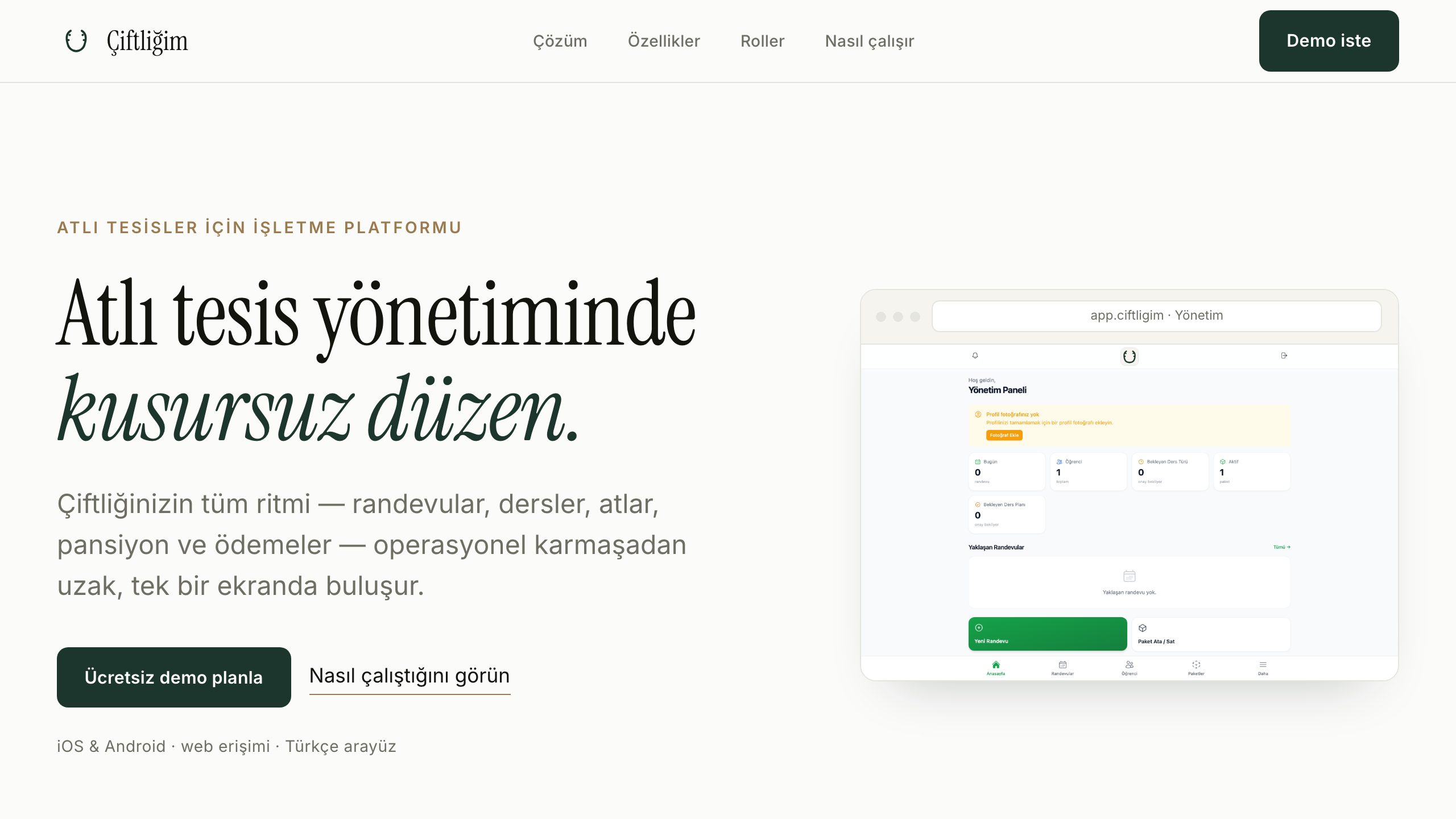
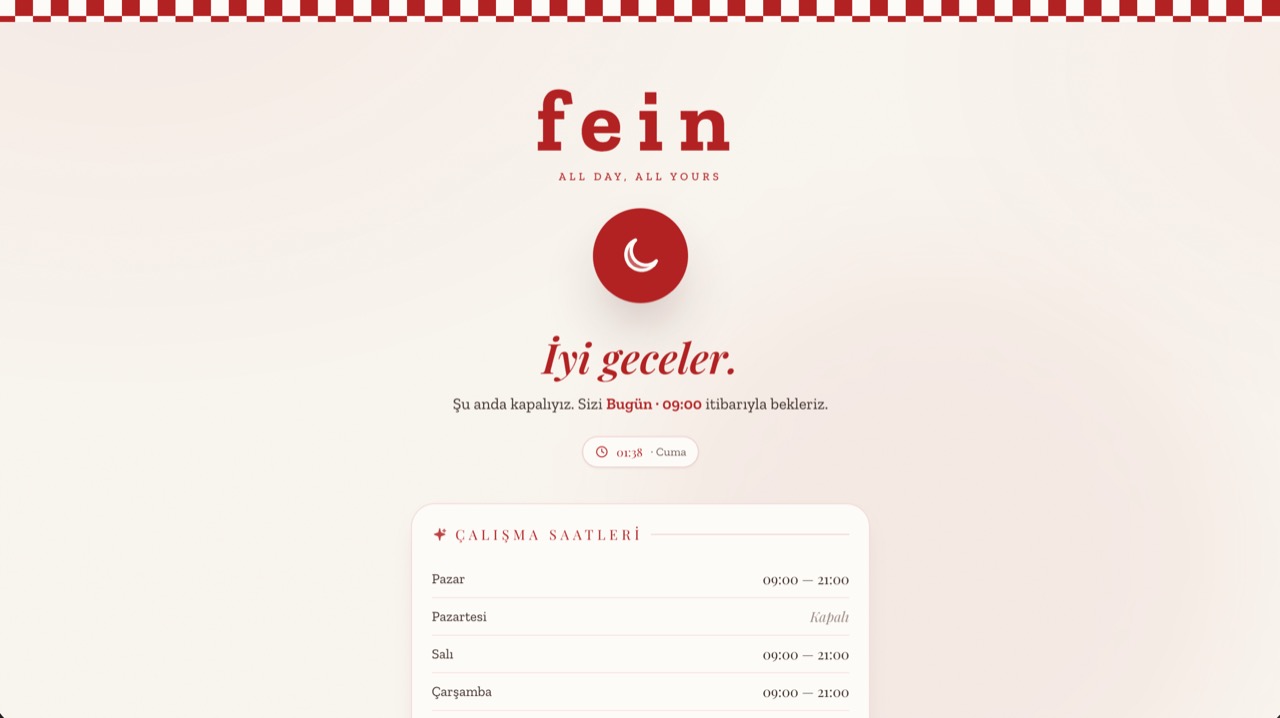
The full range: brand and marketing sites with GSAP motion, catalog sites holding thousands of products, bilingual hotel and corporate sites with hreflang, PWAs, and complete SaaS products like Fein QR Menu and Çiftliğim. Because I also handle backends — Node, Supabase, PostgreSQL — a Nuxt project with me does not stop at the browser: server routes, APIs, and data layers are part of the same delivery.
- →Server-rendered marketing and brand sites
- →E-commerce and catalog frontends at thousand-SKU scale
- →Multi-tenant SaaS with realtime data (Supabase)
- →Bilingual sites with hreflang i18n architecture
- →Admin panels and dashboards in Vue 3
TypeScript, Tailwind, and code that lasts
Every project is written in TypeScript with strict settings, because catching a broken assumption at compile time is cheaper than catching it in production. Styling runs on Tailwind with a per-project design system rather than a UI kit pasted on top. Components stay small and composable, state stays predictable, and the next developer — whether that is future me or your in-house team — can read the code without an archaeology phase.
SEO and performance, built in
A common reason clients come to me: their Vue SPA is invisible on Google. With Nuxt, rendering happens on the server, so crawlers see complete pages — and I layer the rest on top: meta and Open Graph management, structured data, hreflang for multilingual sites, sitemaps, and Core Web Vitals work down to image loading strategy. This portfolio and the client sites it showcases are the demonstration: SSR pages targeting sub-1.5s LCP.
Migrations and rescues
I also take on projects that already exist: upgrading Nuxt 2 apps to Nuxt 3/4, moving Vue 2 codebases to Vue 3 and the Composition API, or untangling an SPA that grew without structure. The process is the same as for new builds — discover, structure, then migrate in stages — so the site keeps running and keeps ranking while the foundation is replaced underneath it.
Related Projects


Frequently Asked Questions
+Nuxt or plain Vue — which does my project need?
If the public needs to find it on Google — a website, store, or content platform — Nuxt, because of server-side rendering. If it lives behind a login, like an internal tool or dashboard, plain Vue can be enough. I recommend based on the project, not on preference.
+Can you upgrade our Nuxt 2 / Vue 2 project?
Yes. I audit the codebase first, then migrate in stages — dependencies, then framework, then components — so the site never goes dark. Both Nuxt 2 to 3/4 and Vue 2 to 3 migrations are work I have done.
+Can you join an existing Vue/Nuxt project mid-way?
Yes — either to take it over fully or to own a specific area alongside your team. I start with a short review to understand the architecture and the risky corners before committing to estimates.
+Is a Nuxt site good for SEO?
Yes — that is one of the main reasons to choose it. Pages are rendered on the server, so search engines index real content. SEO still is not automatic: meta structure, structured data, hreflang, and performance need to be built deliberately, and that is part of my delivery.
+Where do you deploy Nuxt applications?
Vercel for globally distributed sites, Docker containers on servers I run for products that want everything self-hosted, and Cloudflare in front when it helps. The choice depends on traffic patterns, data location, and budget.
+Do you only do frontend, or backend too?
Both. Most of my Nuxt projects include server routes, a Node API, and a Supabase or PostgreSQL data layer — designed and built together with the frontend, by the same person.